Español
 العربية
 Francés
 Русский
 Português
 Deutsch
 日本語
 한국어
 Việt



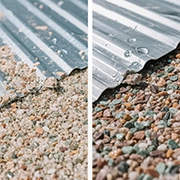
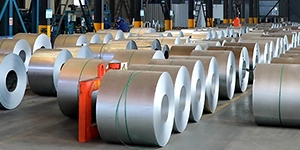



Stone Coated Metal Roofing Manufacturer in China: What Importers Should Check
Stone Coated Metal Roofing Manufacturer in China: What Importers Should Check
Start with the product and the factory, not the sales claim
A search for a stone coated metal roofing manufacturer in China can return factories, trading companies, exporters and businesses that combine several roles. For an overseas importer, the first task is to understand who will take responsibility for the product specification, production coordination, inspection, packing and export communication. A low quotation or an attractive catalogue is not enough to establish whether a supplier is suitable for a long-term purchasing relationship.
A useful supplier review begins with the product range and the actual manufacturing arrangement. Ask which processes are completed in the supplier's own facility, which materials are purchased from external sources and which operations are handled by partner factories. This is not a test that every supplier must answer in the same way. It is a way to understand the supply chain and identify where quality records, lead-time commitments and responsibility sit.
Clarify the product specification before comparing prices
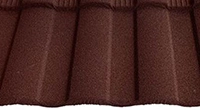
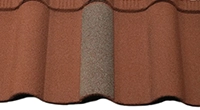
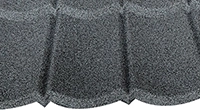
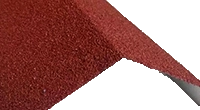
Stone coated metal roof tiles can differ in steel thickness, metallic coating, profile geometry, overall dimensions, effective coverage, granule finish, color and accessory scope. These differences can materially affect the quotation. A comparison is meaningful only when each supplier prices the same specification and the same delivery scope.
Send a written enquiry that states the intended application, destination country, profile preference, required dimensions, steel and coating requirements, color, quantity and accessories. If the project has drawings, roof area calculations or local technical requirements, share the relevant information. Ask the supplier to identify any assumptions in its quotation. A quotation that clearly lists inclusions and exclusions is more useful than a single unit price without context.
Evaluate production capability through observable details
A factory introduction should explain the main production stages in a way that a buyer can understand. Depending on the production setup, this may include steel coil preparation, roll forming or pressing, cutting, surface preparation, adhesive application, granule application, curing or drying, inspection and packing. The exact process arrangement can vary, so the supplier should describe its own workflow rather than repeat a generic process diagram.
During a factory visit or remote review, look for orderly material storage, identifiable production stages, suitable handling practices and a defined finished-goods inspection area. Ask how production orders are identified and how the approved specification is communicated to operators. If the supplier uses inspection forms or batch records, request an example with confidential details removed. The aim is to understand whether the factory has a repeatable process, not simply whether the equipment looks impressive in a video.
Ask how raw materials are identified and checked
The steel substrate, metallic coating, colored stone granules and bonding material are important inputs. Ask how each material is specified when purchased, how incoming materials are checked and how the supplier manages changes in source or specification. A buyer may also ask whether material certificates or supplier documents are available for the relevant batch. The scope and format of such records should be confirmed rather than assumed.
If a particular steel grade, thickness or coating designation is required, put it in the purchase specification. Avoid relying on informal descriptions such as heavy steel or high coating. Technical values should be stated in measurable terms and tied to an agreed method or standard where appropriate. This makes it easier for both parties to check whether the supplied material matches the order.
Use samples to test communication and product understanding
A sample request is not only about seeing the color. It also reveals how carefully the supplier handles technical questions. Provide the intended profile, color, finish and any material requirements, then ask the factory to label the sample with a reference. When it arrives, inspect its shape, dimensions, edges, surface coverage and packaging condition. Compare it under consistent lighting and keep a record of the approved version.
If the sample is not suitable, describe the difference precisely. For example, identify whether the concern relates to profile height, surface texture, granule size, color tone or edge finishing. A clear description helps the supplier understand the issue and respond with a meaningful revision. Avoid approving a sample based only on a digital photograph if the physical finish is important to the project.
Review export readiness and communication
An export supplier should be able to discuss packing dimensions, gross and net weight, loading arrangements, shipping marks and the commercial documents it normally prepares. The exact documents required depend on the destination, product classification, trade terms and local customs procedures. Importers should confirm country-specific requirements with their customs broker or relevant authority. A manufacturer can provide product and shipment information, but it should not replace local regulatory advice.
Communication matters throughout the order. Confirm who will handle technical questions, sample approval, production updates and shipping documents. Agree how changes will be recorded and approved. If several people are involved on the buyer's side, nominate one person to consolidate specification changes. This simple practice can reduce conflicting instructions and help both parties maintain a consistent order record.
OEM and ODM discussions need a clear brief
For OEM enquiries, clarify the product specification, branding requirements, packaging artwork, label information and ownership of approved designs. For ODM discussions, start with a design brief that explains the intended market, roof style, performance requirements, target dimensions and any reference products. A supplier should confirm which aspects can be customized and which depend on tooling, production capacity or material availability.
Do not assume that every profile, color or packaging request can be accepted without additional cost or a minimum quantity. Ask for a written review of feasibility, sample timing, approval stages and the point at which changes may affect the production schedule. This creates a more realistic basis for planning than a general promise that everything can be customized.
Build a supplier scorecard around evidence
A practical supplier scorecard can compare product specification clarity, production transparency, sample handling, inspection approach, packing plan, export communication and responsiveness. Price remains important, but it should be reviewed after the scope is aligned. A supplier that explains limitations clearly may be easier to work with than one that agrees to every request without checking feasibility.
FUODE ROOFING is a source factory for stone coated metal roofing tiles and related materials. Overseas buyers can begin with a product brief and request the information needed to evaluate suitability. The best supplier relationship is built through clear specifications, realistic commitments, documented approvals and communication that continues after the quotation is sent.

Visit www.fuode.com for more details.
— FUODE ROOFING —
Stone Coated Metal Roofing Source Factory | Shandong, China
www.fuode.com | Welcome factory visit & sample requests