Español
 العربية
 Francés
 Русский
 Português
 Deutsch
 日本語
 한국어
 Việt






Stone Coated Metal Roof Tiles: How the Roofing System Is Built
Stone Coated Metal Roof Tiles: How the Roofing System Is Built
A roofing tile is more than its visible surface
When buyers first look at stone coated metal roof tiles, the most noticeable feature is usually the colored stone surface. It gives the roof a textured appearance and helps distinguish one profile or color from another. For a purchasing decision, however, the visible finish is only one part of the product. A useful assessment starts with the complete construction: the steel base, the formed profile, the protective metallic coating, the bonding layer, the stone granules and the finishing details around edges and overlaps. Each part has a different role, and the way they are brought together affects how the tile should be specified, handled and installed.
This is why a buyer comparing two products should avoid relying on a single photograph. Images can communicate color and general shape, but they cannot confirm steel thickness, coating designation, dimensions, effective coverage or production tolerances. Those details should be written into the quotation and approved specification. A manufacturer should be able to explain which information is standard, which options are available and which items need project-specific confirmation.
The steel base and protective coating
The steel base provides the formable substrate of the tile. Buyers commonly ask about base-metal thickness and the metallic coating applied to the steel. These are not interchangeable values. A thickness figure should identify what is being measured and should be confirmed in the supplier's technical specification. Likewise, a coating designation or mass should be stated using a clear standard or test basis where applicable. If a project has a required specification, the buyer should provide it before quotation rather than assuming that all products described as stone coated metal roofing use the same steel construction.
The protective metallic coating is relevant to corrosion management, but the actual suitability of a product depends on the complete roof design, exposure conditions, installation quality and maintenance. Cut edges, scratches, storage conditions and contact with incompatible materials may also deserve attention. A responsible supplier should discuss the product's material information without turning one specification into a universal service-life promise. For projects in coastal, industrial or high-humidity environments, buyers should share the site conditions and request technical confirmation for the proposed construction.
The formed profile and water-shedding design
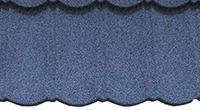
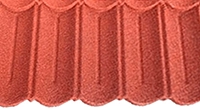
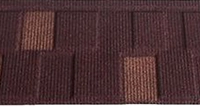
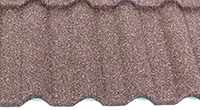
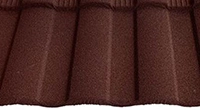
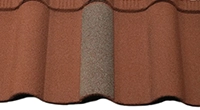
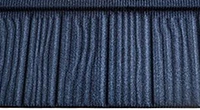
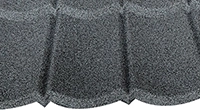
The steel sheet is shaped into a profile before the surface system is completed. Profile geometry influences the appearance of the roof and the way adjacent tiles overlap. Common market descriptions include Bond, Shingle, Classic and Milano styles, although profile names and designs can vary between manufacturers. Buyers should compare actual drawings or samples instead of assuming that a profile name means identical dimensions across suppliers.
The overall length and width of a tile do not necessarily equal the roof area covered by that tile. Effective coverage depends on the overlap and installation arrangement. This distinction matters when estimating quantities. A quotation based only on overall dimensions may lead to a different tile count from one based on effective coverage. The buyer should therefore request both overall dimensions and effective coverage, along with the recommended laying direction and overlap information in the manufacturer's installation instructions.
Bonding layer and colored stone granules
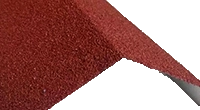
The surface system commonly combines an adhesive or bonding material with colored stone granules. The granules contribute texture and color, while the bonding layer helps hold the surface material in place. For a buyer, useful questions include the type of granules used, the color reference, the surface appearance, the process controls and how the manufacturer manages material batches.
A sample is an important part of this review. A small sample can help a buyer examine the granule texture, coverage, color impression and overall finish under natural and indoor lighting. It should not be treated as a complete substitute for a production specification. If color consistency is important for a project or distribution program, the approved sample should be identified and retained, and the order should refer to the agreed color and finish. Buyers should also understand that natural viewing conditions, screen settings and batch variation can influence perceived color.
Edges, overlaps and accessories are part of the system
A roof is not made from field tiles alone. Ridge pieces, hips, valleys, flashing, eaves details, gable edges, fasteners and ventilation components may all be required depending on the roof geometry and the installation method. These items should be considered while reviewing the roof plan, not added as an afterthought after the tile quantity has been finalized.
Edges deserve particular attention because cutting, handling and installation can expose parts of the steel substrate. Buyers can ask how cut edges are treated or protected in the production process and what handling practices are recommended on site. They should also ask which accessories are supplied by the tile manufacturer and which are expected to be sourced locally. A clear accessory schedule helps reduce omissions and makes it easier to compare quotations on an equivalent basis.
What an importer should put into the product specification
A practical purchase specification should identify the product profile, overall dimensions, effective coverage, base-metal thickness, metallic coating requirement, surface color, granule finish, accessory list, packing method and any required inspection or documentation. If a project has local building-code or fire-performance requirements, these should be identified by the project team and checked with the relevant local professionals and authorities. A manufacturer should not be expected to guess the applicable rules from the destination country alone.
For repeat orders, the specification should also include a sample reference, drawing revision and agreed tolerances. Keeping these records makes later discussions more precise, particularly when different teams handle purchasing, installation and customs clearance. If the buyer is comparing suppliers, the same specification should be sent to each one. This makes differences in price, material construction and scope easier to identify.
A factory conversation should be based on evidence
When evaluating a stone coated metal roofing manufacturer, ask for a clear explanation of the production stages and the checkpoints used to review incoming materials, forming, surface application, finished appearance and packing. Photographs or videos of actual production can help establish context, but buyers should distinguish promotional material from records that demonstrate a specific order or inspection. If a supplier refers to a test, certificate or warranty, ask for the document, its scope, issuing body and validity rather than relying on a general statement.
FUODE ROOFING manufactures stone coated metal roofing products and related materials. For a project enquiry, the most useful starting point is a brief that identifies the destination market, intended application, profile, dimensions, material requirements, estimated quantity and accessory needs. With these details, the discussion can move from a broad product introduction to a specification that both parties can review.
A more informed way to compare complete roof tile systems
The construction of a stone coated metal roof tile is best understood as a combination of material, profile and process. The steel base and metallic coating form the substrate; the profile determines shape and overlap; the bonding layer and granules create the visible surface; and the edges and accessories connect the tile to the wider roof assembly. None of these details should be assessed in isolation.
For importers and distributors, a careful specification reduces misunderstandings and supports repeat purchasing. For contractors and project owners, a review of the complete roof design helps align the selected product with local requirements and installation conditions. A well-prepared enquiry gives a manufacturer the information needed to respond accurately and gives the buyer a sound basis for comparing alternatives.

Visit www.fuode.com for more details.
— FUODE ROOFING —
Stone Coated Metal Roofing Source Factory | Shandong, China
www.fuode.com | Welcome factory visit & sample requests