Español
 العربية
 Francés
 Русский
 Português
 Deutsch
 日本語
日本語
 한국어
한국어
 Việt
Việt
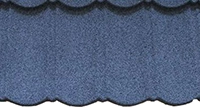
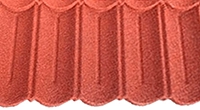

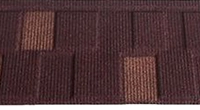
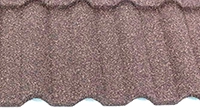



Aluzinc vs Galvanized: Stone-Coated Roof Tile Substrates Explained
Aluzinc vs Galvanized: Stone-Coated Roof Tile Substrates Explained
Most overseas contractors, distributors and project owners focus heavily on stone granule finish, color consistency and coating quality when sourcing stone-coated metal roofing tiles, yet few dig deep into the most critical core component that determines a roof’s long-term service performance: the steel substrate. Many buyers only distinguish product quality through surface appearance, unaware that two seemingly identical stone-coated tiles can deliver vastly different durability, corrosion resistance and weather adaptability simply due to different base steel coating materials. In the global roofing market, aluzinc and traditional galvanized steel are the two mainstream substrate options for metal roof tiles, and the gap between them in actual project performance is far larger than most people realize. Understanding the core differences between these two substrates is essential for avoiding hidden roofing risks and making cost-effective long-term procurement decisions.
To clarify the essential distinctions, it is necessary to start with coating composition and protective mechanisms, which fundamentally determine the outdoor adaptability of roof tiles. Traditional galvanized steel substrates adopt a pure zinc coating structure, relying entirely on zinc’s sacrificial anode reaction to protect the internal steel base from oxidation. When the roof surface suffers minor scratches, edge cuts or natural weathering wear, the zinc layer consumes itself preferentially to prevent rust spread. This protection method works well in dry, low-corrosion inland environments, but it has obvious limitations in harsh climate conditions. Once the pure zinc coating is gradually depleted by moisture, oxygen and corrosive substances, the underlying steel sheet will lose protection rapidly, leading to rust spots, substrate oxidation and eventual structural damage to the roof tile.
Aluzinc steel substrates, also widely known as galvalume steel, adopt a scientifically proportioned alloy coating composed of 55% aluminum, 43.5% zinc and 1.5% silicon. This composite structure integrates the dual advantages of aluminum and zinc, forming a twofold protective system that pure galvanized steel cannot match. The aluminum component in the coating quickly forms a dense, stable oxide film on the substrate surface, creating a physical barrier that isolates moisture, salt spray and corrosive air from contacting the steel base. Meanwhile, the zinc component continues to provide sacrificial protection for cutting edges and minor damaged areas, making up for the weak barrier protection of single aluminum coating. The trace silicon element further enhances coating adhesion and high-temperature stability, ensuring the alloy layer bonds firmly with the steel base for long-term outdoor exposure.
The performance gap between the two substrates becomes more prominent in long-term outdoor weathering, especially in high-humidity, coastal and high-temperature regions. Industry long-term exposure tests and global project feedback verify that qualified aluzinc substrates deliver 2 to 6 times better corrosion resistance than standard galvanized steel under the same service environment. In coastal areas with persistent salt spray, galvanized substrates tend to experience coating aging and local rusting within a few years, and the rust points will gradually expand along the steel plate texture, affecting the firmness of the surface stone coating and back anti-corrosion coating. In contrast, aluzinc substrates maintain stable barrier performance for a longer period, effectively resisting salt spray erosion, mold corrosion and acid-base weathering, and avoiding early aging failure of the roof system.

High-temperature resistance is another key distinguishing indicator that affects summer roof stability and coating service life. Traditional galvanized steel has a limited temperature tolerance, prone to coating aging, discoloration and performance attenuation under long-term high-temperature solar radiation. Continuous summer heat can accelerate the consumption of the zinc layer, weakening the substrate’s anti-rust ability invisibly. Aluzinc substrates feature excellent thermal stability, withstanding long-term high-temperature baking without coating decomposition or protective performance decline. This stable high-temperature resistance ensures that the front stone granule layer and back thermosetting anti-corrosion coating can maintain reliable adhesion, avoiding peeling, flaking and granule shedding caused by substrate thermal expansion and contraction.
Many buyers overlook the matching compatibility between substrate and surface coatings, which is a key factor affecting the overall service life of stone-coated metal tiles. Pure zinc galvanized steel has relatively single surface activity, and after long-term weathering, it is easy to have poor adhesion between the substrate and the surface protective coating. In extreme weather alternation of high temperature and rainwater, the coating layer is prone to delamination and peeling. The special alloy structure of aluzinc steel provides better surface bonding performance, which can closely integrate with high-performance polyester powder coatings and stone granule adhesive layers. This integrated structure ensures that each functional layer of the roof tile operates synergistically, preventing water penetration and substrate oxidation from the internal structure.
It is important to objectively recognize that galvanized steel substrates still have applicable scenarios in low-demand, short-cycle construction projects with dry climate and low corrosion risk. Its cost advantage makes it suitable for temporary buildings and simple residential projects with low long-term durability requirements. However, for formal residential villas, commercial buildings, coastal engineering and long-term fixed construction projects that require decades of service life, aluzinc substrates have become the mainstream reliable choice in the global high-quality roofing market. The comprehensive cost performance of aluzinc substrates is far higher in long-term use, as it avoids frequent maintenance, local tile replacement and overall roof renovation costs caused by substrate rusting.
As a professional source factory focusing on stone-coated metal roofing production, FUODE ROOFING has long summarized regional matching experience of different substrates based on global project feedback. We clearly distinguish the application scenarios of aluzinc and galvanized substrates, and provide targeted substrate configuration suggestions according to the local climate, environmental corrosion degree and project life cycle requirements of different overseas markets. For coastal, high-temperature, high-humidity and industrial corrosive areas, we always recommend standardized aluzinc substrate configurations to ensure the roof system maintains stable performance throughout the service cycle. For dry inland low-corrosion areas with budget restrictions, we also provide reasonable matching schemes to balance project cost and basic usability.
In the current market, many homogenized products use low-cost galvanized substrates but disguise them as high-grade configurations, causing many buyers to fall into procurement traps. The surface of finished stone-coated tiles is covered with stone granules, making it impossible to directly distinguish the substrate type by naked eyes. Only through professional component testing and long-term weathering verification can the true substrate quality be identified. This is why many project roofs look intact in the first two years after installation, but suffer large-area rusting and coating peeling in subsequent years. FUODE ROOFING always adheres to transparent production standards, clearly marking substrate parameters in product technical documents, and supports customer sample testing and factory inspection, allowing every client to fully grasp the core quality of the products they purchase.
The essence of choosing a stone-coated metal roof tile lies in selecting a stable and durable substrate foundation. The surface decoration and protective layers can only exert their maximum value on the basis of a high-quality steel substrate. The gap between aluzinc and galvanized substrates is not only reflected in material composition, but also in long-term weather resistance, corrosion stability and overall system compatibility. For global distributors and project contractors who pursue reliable project quality and long-term market reputation, recognizing the substrate difference and selecting reasonable configurations is the key to improving project pass rate and user satisfaction.
FUODE ROOFING insists on standardized substrate selection and strict quality control in batch production, providing suitable stone-coated metal roof tile solutions for different regional climates and project demands. We support technical consultation, sample detection and customized configuration services, helping global customers avoid low-quality substrate risks and select the most cost-effective roofing products for local construction projects.

— FUODE ROOFING —
Stone Coated Metal Roofing Source Factory | Shandong, China
www.fuode.com | Welcome factory visit & sample requests