Español
 العربية
 Francés
 Русский
 Português
 Deutsch
 日本語
日本語
 한국어
한국어
 Việt
Việt

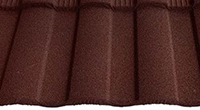
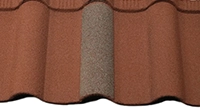
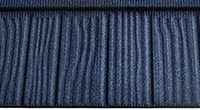

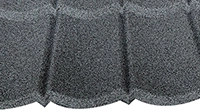



Stone-Coated Metal Roofing Tiles with Improved Granule Retention and Color Stability: What Makes the Difference?
Stone-Coated Metal Roofing Tiles with Improved Granule Retention and Color Stability: What Makes the Difference?
Understanding the manufacturing improvements that address granule shedding and fading
When building material distributors and roofing contractors evaluate stone-coated metal roofing tiles, two concerns surface more frequently than any others: granule shedding and color fading. At FUODE, we hear these questions in nearly every conversation with prospective wholesale partners — and for good reason. These are not cosmetic inconveniences; they are performance issues that can affect a roof's protective function, diminish property value, and lead to callbacks that erode contractor margins and distributor relationships alike.
This article draws on FUODE's manufacturing experience at our Shandong Province production facility to examine what causes granule loss and color degradation, how updated production methods address these concerns, and what wholesale buyers should look for when sourcing optimized stone-coated steel roofing tiles engineered for reliable long-term performance.

1. The Two Most Common Performance Concerns
1.1 Granule Shedding: More Than an Appearance Problem
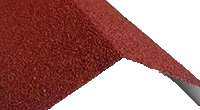
Stone granules serve a dual purpose on stone-coated metal roof tiles. Aesthetically, they provide the textured, natural look that distinguishes these products from plain metal roofing. Functionally, the granule layer shields the underlying steel substrate from ultraviolet radiation, physical impact, and moisture infiltration.
When granules detach — a phenomenon known as granule shedding or stone loss — the protective barrier is compromised. Exposed areas of the steel substrate become vulnerable to UV degradation, which can accelerate coating breakdown. Over time, this creates entry points for moisture, potentially leading to corrosion that shortens the service life of the roof.
Granule loss typically stems from one of three root causes: inadequate adhesive bonding between the stone and the steel surface, incomplete curing of the adhesive system during production, or excessive mechanical stress during handling and installation that exceeds the bond strength of the granule layer.
1.2 Color Fading: The Visible Signal of Material Fatigue
Color retention in stone-coated steel roofing depends on the quality of both the stone granules themselves and the protective clear-coat system applied over them. Natural stone granules are inherently color-stable — the pigments exist within the stone matrix, not as a surface coating. However, lower-quality manufacturing processes sometimes substitute artificially colored granules or apply insufficient UV-protective topcoats, resulting in color shift over the first few years of exposure.
For wholesalers and contractors, a roof that visibly fades within a short installation window creates a chain of consequences: homeowner dissatisfaction, warranty claims, and reputational damage that can affect future project bids. The economic impact of fading extends far beyond the material cost of the affected roof.
2. How FUODE Approaches Manufacturing Quality
At FUODE's production facility in Shandong Province, China, the manufacturing process for stone-coated metal roofing tiles has been refined across several control points to address granule adhesion and color stability. These improvements are not proprietary breakthroughs — they reflect systematic attention to process variables that the industry has identified as critical to long-term product performance. Key areas where our manufacturing approach differs from basic production include:
2.1 Advanced Acrylic Adhesive Systems
The adhesive that bonds stone granules to the galvalume steel substrate is arguably the single most important material in the entire production sequence. Early-generation stone-coated roofing products sometimes used lower-solids acrylic formulations that were more susceptible to thermal degradation and hydrolysis over time.
Current-generation acrylic-based adhesive systems — including those used in FUODE's production line — feature higher solids content, improved cross-linking density, and additives that enhance UV resistance and flexibility across temperature extremes. When applied at consistent thickness and cured under controlled conditions, these formulations achieve bond strengths that maintain granule retention through years of thermal cycling, wind-driven rain, and hail impact.
It is worth noting that the adhesive formulation alone does not determine performance. The application method matters equally: uniform coverage across the full tile surface, consistent film thickness, and complete curing before the tile enters the next production stage are all process-dependent variables that separate optimized production from basic manufacturing.
2.2 Controlled Curing Environments
Acrylic adhesives cure through a combination of water evaporation and chemical cross-linking. When curing occurs in uncontrolled ambient conditions — fluctuating temperature, varying humidity, dust exposure — the resulting bond can be inconsistent across a production batch. Tiles cured on hot, dry days may develop surface skinning that traps moisture beneath the granule layer, while tiles cured on cool, humid days may not achieve full cross-linking before packaging.
Manufacturing facilities equipped with enclosed curing chambers — where temperature, humidity, and airflow are maintained within specified ranges, as implemented at FUODE's Shandong plant — produce tiles with measurably more consistent granule adhesion from batch to batch. For wholesale buyers, this consistency translates to fewer quality-related disputes and a more predictable product performance profile across container-load quantities.
2.3 Natural Stone Granule Selection
The color of an optimized stone-coated roofing tile should originate from the stone itself, not from a surface-applied pigment that will weather away. Natural basalt and quartz granules, crushed and screened to specific size distributions, offer inherent color stability because the mineral composition determines the visual appearance. These granules are then surface-treated with a ceramic coating that enhances color vibrancy without relying on organic pigments prone to UV breakdown.
Some manufacturers also apply a transparent acrylic overglaze as a final protective layer. This clear coat serves as a sacrificial barrier: it absorbs UV energy and environmental contaminants, gradually weathering away over years while preserving the color integrity of the granules beneath. The overglaze is designed to erode at a controlled rate rather than peeling or cracking, which would create an uneven appearance.
2.4 Galvalume Steel Substrate Quality
While granule retention and color stability are the visible performance indicators, the foundation of an optimized stone-coated metal roofing product is the steel substrate. AZ150 galvalume steel — designating 150 grams of aluminum-zinc alloy coating per square meter, measured as the sum of both sides — provides a level of corrosion resistance suited to environments ranging from coastal salt spray to inland agricultural zones.
The aluminum component of the galvalume coating forms a passive oxide layer that resists corrosion, while the zinc provides galvanic protection at cut edges and scratches. This dual-mechanism protection is particularly relevant in the context of granule retention: if granules do become dislodged during installation or severe weather, the exposed galvalume surface provides a secondary line of defense against corrosion that plain galvanized steel cannot match.
3. What Wholesale Buyers Should Evaluate When Sourcing
When visiting www.fuode.com or engaging with any stone-coated roofing manufacturer, wholesale buyers and importers can use several practical approaches to assess granule adhesion quality before committing to container-volume orders:
• Examine granule coverage density. A well-coated tile should show complete stone coverage with no visible steel substrate through the granule layer. Sparse coverage is not just an aesthetic shortfall — it indicates insufficient adhesive application or inadequate granule embedding.
• Inquire about curing process controls. Ask whether the manufacturing facility uses enclosed curing chambers with temperature and humidity monitoring, or whether curing occurs in ambient factory conditions. The difference in process control typically correlates with batch-to-batch consistency.
• Request a production sample from current inventory rather than a specially prepared showroom sample. A random pull from stock is more likely to represent the product quality that will arrive in a commercial shipment than a hand-selected display piece.
• Ask about the adhesive system specification. While manufacturers may not disclose proprietary formulations, they should be able to confirm whether they use a high-solids acrylic system and whether UV stabilizers are incorporated into the formulation.
4. The Role of Installation in Long-Term Performance
Even the most carefully manufactured stone-coated steel roofing tiles can experience performance issues if installed improperly. Granule loss during installation is often the result of excessive bending, cutting with dull blades that generate heat and weaken the adhesive bond at the cut edge, or foot traffic concentrated on unsupported tile spans.
Manufacturers that provide detailed installation documentation — including fastener specifications, minimum slope requirements, cutting tool recommendations, and walking pattern guidance — are signaling an understanding that product performance is a shared responsibility between the factory and the job site. Wholesale buyers should consider the availability and quality of installation support materials as part of their supplier evaluation criteria.
For distributors who provide value-added services to their contractor customers, offering manufacturer-supplied installation training or reference materials can differentiate their business while reducing the likelihood of installation-related quality disputes.
5. Common Questions About Optimized Stone-Coated Roofing
5.1 How long should stone granules remain intact on a quality product?
The granule layer on a well-manufactured stone-coated metal roofing tile is engineered to remain substantially intact for the design life of the roof — typically measured in decades rather than years. Some initial loose granules may be present on newly manufactured tiles as a result of the production process; these surface granules that were not fully embedded during manufacturing typically wash away during the first rainfall and do not indicate an adhesion problem. Ongoing granule loss beyond this initial shedding period warrants investigation into either the manufacturing quality or the installation methods used.
5.2 Can color fading be fully eliminated?
All exterior building materials experience some degree of color change over time when exposed to solar radiation, temperature cycling, and environmental contaminants. Well-manufactured stone-coated roofing tiles are formulated so that this change occurs slowly and uniformly across the roof surface, maintaining an acceptable appearance throughout the service life. The use of natural mineral granules with ceramic coating treatments and UV-resistant acrylic overglaze systems — rather than organic pigments or surface-applied colorants — results in color stability measured in decades rather than years. Specific performance expectations should be discussed with the manufacturer and referenced against the product warranty terms.
5.3 Are optimized stone-coated tiles suitable for coastal environments?
Stone-coated metal roofing tiles built on an AZ150 galvalume steel substrate can perform well in coastal settings when manufactured with appropriate attention to edge coverage and cut-edge protection. The granule layer itself provides a physical barrier against salt spray, while the galvalume coating offers electrochemical corrosion protection. For installations within direct salt-spray zones, additional protective measures — such as ensuring full granule coverage on all exposed edges and using compatible fasteners — may extend the service interval. Buyers serving coastal markets should discuss specific environmental conditions with the manufacturer during the specification process.
6. Conclusion
The difference between conventional and optimized stone-coated metal roofing tiles lies not in a single breakthrough material but in the systematic refinement of multiple manufacturing control points: adhesive formulation, curing environment management, granule selection and treatment, and steel substrate specification. Each of these factors contributes independently to granule retention and color stability, and together they determine whether a roof will maintain its protective function and appearance over decades of service.
For wholesale buyers and building material importers, the practical implication is clear: sourcing decisions should be informed by an understanding of how a manufacturing partner controls these variables, not just by the product's appearance in a catalog or showroom. Asking the right questions about adhesive systems, curing processes, and granule sourcing at the supplier evaluation stage is an investment in downstream customer satisfaction and reduced warranty exposure.
Wholesalers and distributors interested in evaluating Hainan FUODE Metal Materials Co., Ltd. as a supply partner for stone-coated metal roofing products are invited to visit www.fuode.com to review technical documentation, request production samples, and discuss product specifications with the manufacturing team.