Español
 العربية
 Francés
 Русский
 Português
 Deutsch
 日本語
日本語
 한국어
한국어
 Việt
Việt
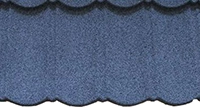
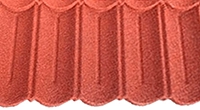

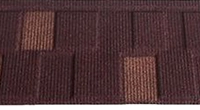
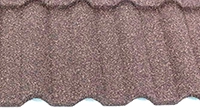
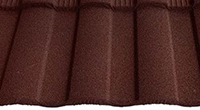
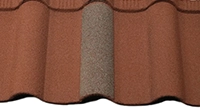
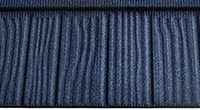

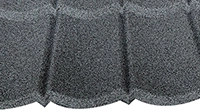


Why More Canadian Homeowners Are Specifying Stone-Coated Metal Roofing for Snow-Country Roof Replacement
Why More Canadian Homeowners Are Specifying Stone-Coated Metal Roofing for Snow-Country Roof Replacement
————————————————————————————————————————————————————————————————————————————————————
In cities like Toronto, Montreal, and Calgary—where half a meter of snow on a rooftop is an ordinary winter scene—choosing a roofing material is never just about curb appeal. After every major snowstorm, the same stories surface: ice dams forming along the eaves, asphalt shingles curling at the edges, and in the worst cases, sections of roof decking giving way under the combined weight of snow and ice. It is against this backdrop that a growing number of Canadian homeowners and roofing contractors are turning their attention to a category that has spent decades proving itself in European and Australian markets: stone-coated metal roofing.
Snow Load Matters More Than Most People Realize
The National Building Code of Canada sets out clearly defined ground snow load zones, and in parts of Quebec and Newfoundland, the design snow load can exceed two hundred kilograms per square meter—among the more demanding standards anywhere in the world. Traditional clay and concrete tiles carry a dead load of forty to fifty kilograms per square meter on their own. Add a season’s worth of compacted snow, and the sustained pressure on roof trusses becomes considerable. Many detached homes built in the 1970s and 1980s were simply not engineered with enough structural headroom for heavy roofing materials.
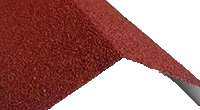
Stone-coated metal roofing uses a galvalume steel substrate and weighs roughly two to four kilograms per square meter—about one-sixth the dead load of clay tile, often less. On the same roof structure, that leaves a far larger weight budget for snow accumulation. For homeowners planning a re-roof who want to avoid the cost and disruption of structural reinforcement, the math is straightforward: the money saved on framing upgrades frequently offsets the difference in material cost entirely.
Vancouver’s Rain, Montreal’s Freeze: The Two Sides of Canada’s Climate
Canada’s cities experience dramatically different weather patterns, but one thread runs through most of the country: frequent freeze-thaw cycling. Above zero during the day, below zero at night—water seeps into tiny cracks and fissures, freezes and expands, and by the following spring the telltale signs appear: cracked tiles, spalled edges, fasteners that have worked themselves loose. Freeze-thaw damage is the number-one killer of traditional roofing materials in the Canadian market, driving repair rates far above what you would see in milder climates.
A galvalume steel substrate does not absorb water, which gives cold-weather metal roofing an inherent advantage against freeze-thaw cycles. The acrylic resin bonding layer and natural stone granules on the surface do more than provide the textured look of traditional tile—they form a sealed barrier that prevents moisture from reaching the metal core. Marc Tremblay, a roofing contractor who has spent over twenty years on jobsites across Quebec, shared an observation at an industry roundtable: on the stone-coated metal roofs his crews installed more than a decade ago, he sees virtually no freeze-thaw damage. In that climate, that track record is not common.

What Canadian Homeowners Actually Worry About
After years in this export business, we have noticed that the questions from Canadian buyers cluster around a handful of themes. Addressing them directly matters more than any sales pitch.
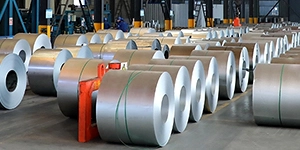
The first concern, predictably, is cold-weather performance. In parts of Canada, winter temperatures can dip below minus thirty or even minus forty degrees Celsius. Will the material turn brittle? Will the coating delaminate after repeated freeze-thaw cycles? The answer starts with the substrate. Galvalume steel retains its ductility and strength at extreme low temperatures far better than ordinary painted steel or galvanized sheet. This is why stone-coated metal roofing destined for cold-climate markets starts with a spec-grade substrate—not a generic coil. As a Shandong factory, when we receive an order bound for Canada, we specify cold-rated galvalume coil from the very first step of production. The standard is set at the raw material stage, not patched together later.
The second question is about installation. Canada’s roofing season is short—roughly April through October, after which temperatures drop fast, daylight shrinks, and most crews wrap up for the year. Stone-coated metal roofing panels cover a large area per piece, meaning far fewer individual units to handle compared to small-format tiles. A skilled crew can lay significantly more square footage per day. The direct benefit is twofold: the homeowner gets a dry, warm house sooner, and the contractor can complete more projects within the same tight construction window. It works for both sides.
Then comes the cost question—the one every homeowner asks first when facing a re-roof decision. The upfront investment for stone-coated metal roofing is higher than asphalt shingles, no argument there. But asphalt shingles in the Canadian climate average a service life of roughly twelve to fifteen years before a full tear-off and replacement is due, along with disposal fees for the old material. Stone-coated metal roofing is typically engineered with a thirty-to-fifty-year reference lifespan. Amortized annually, the long-term cost of ownership looks quite different.
Qingdao to Vancouver: A Well-Established Supply Chain
Canada’s domestic roofing distribution network is mature, but the stone-coated metal roofing category in North America has long been concentrated in the hands of a small number of brands. Mid-sized contractors and independent building-materials importers have had limited options, and pricing has been correspondingly inflexible. That is why a growing number of Canadian importers have started sourcing directly from Chinese manufacturers.
The container shipping route from Qingdao port to the Port of Vancouver is well established. Qingdao, as northern China’s largest container hub, has deep operational experience in the stuffing, lashing, and customs documentation of steel-based building materials—a detail that matters when you are sending cargo across the Pacific. Shandong province is one of the regions where China’s stone-coated metal roofing industry is most concentrated. From upstream galvalume substrate to stone-coating application to finished product, the supply-chain density here is something few other production regions can replicate.
For a Canadian importer, dealing directly with the source factory means genuine flexibility on specification: adjusting the profile height and steel gauge for high-snow-load zones, increasing the coating mass for coastal cities like Halifax where salt spray is a factor, even matching color and surface texture to a neighborhood’s architectural guidelines. These are the kinds of customizations that are rarely practical through a standard distribution channel.
How FUODE ROOFING Approaches This
FUODE ROOFING’s production base is in Shandong, less than two hours by road from the Port of Qingdao—one of the fundamentals behind our ability to maintain consistent delivery timelines. From the moment galvalume coil enters the plant to the finished product coming off the line, every order destined for Canada undergoes salt-spray testing, freeze-impact testing, and wind-uplift testing before release.
We understand that the biggest barrier in cross-border procurement is not price—it is trust. A buyer is making a decision based on a factory thousands of kilometers away, something they cannot see or touch, armed with a handful of emails and photos. Anyone in that position would be cautious. For clients with specific requirements, we welcome them to appoint SGS, Bureau Veritas, or any international inspection agency for pre-shipment inspection. That is FUODE ROOFING’s baseline position on quality, and it is the foundation we want to build every long-term Canadian relationship on.

A Final Thought
The Canadian roofing market is going through a clear material upgrade cycle. What is driving the shift is not any single brand—it is a collective recalibration among homeowners around durability, whole-life cost, and extreme-climate resilience. Stone-coated metal roofing happens to sit at the intersection of those priorities. It will not be the right answer for every project. But in a market like Canada—where heavy snow, aggressive freeze-thaw cycling, and a hard requirement for long-term roof reliability are simply facts of life—the value proposition it delivers is being recognized by a growing number of professional buyers and end-use homeowners alike.
If you are considering adding a cold-weather metal roofing line for the Canadian market, or if you are a roofing contractor who wants to offer clients a solution that outlasts asphalt shingles and weighs a fraction of traditional tile, we would welcome a conversation. We can provide climate-specific specification guidance for Canadian conditions, and FOB Qingdao/Tianjin reference pricing.
At the end of the day, a roof that can handle a Canadian winter is a roof that has truly earned its place.