Español
 العربية
 Francés
 Русский
 Português
 Deutsch
 日本語
日本語
 한국어
한국어
 Việt
Việt
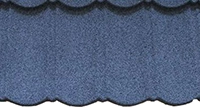
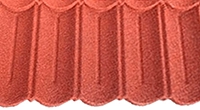

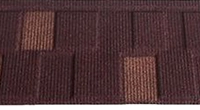
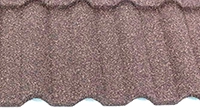
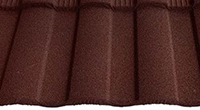
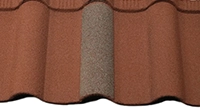
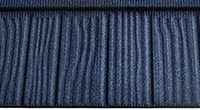

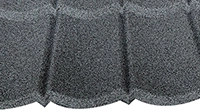


Stone Coated Metal Roof Tiles from a Source Factory: How a Quality Tile Is Made, from Steel Coil to Finished Product
Stone Coated Metal Roof Tiles from a Source Factory: How a Quality Tile Is Made, from Steel Coil to Finished Product
Buyers new to stone coated metal roof tiles usually ask the same question: the tiles online all look alike, yet quotes can differ by thirty or forty percent — where does the gap come from? As a source factory for stone coated metal roof tiles, FUODE ROOFING would rather lay the production process open. From the moment a steel coil enters the plant to the moment a finished tile is packed for shipment, every step along the way is exactly where the differences in price — and in service life — are made. Once you understand these steps, comparing quotes and samples becomes much easier.
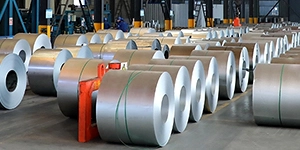
A good tile starts with the steel coil. The base material of a stone coated metal roof tile is aluminium-zinc coated steel. The aluminium in the coating seals out air while the zinc provides sacrificial protection; working together, they keep the steel stable through humidity, heat and salt spray, which is why this material suits coastal and high-rainfall regions. Every coil that enters our plant keeps its original mill label and material certificate — coating weight and base thickness are exactly what the paperwork says. A 0.4 mm tile is never made from 0.35 mm steel and quoted as 0.4 mm. The money saved on thinner steel is invisible on a single tile, yet it adds up to a serious sum on a full container — and the building owner pays it back through a much shorter roof life. Buyers visiting the factory can check the coil labels directly; that says more than any verbal promise.

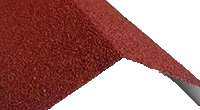
Stone granules decide how the roof looks years from now. The granule layer on the tile surface is where quality gaps widen. Sintered granules are colored in a high-temperature kiln, so the pigment is fired into the grain itself; after years of sun and rain the color stays close to what left the factory. Dyed granules cost less, but the color only sits on the surface and often starts fading and whitening within two or three years. FUODE uses sintered stone granules with an acrylic binder, applied in layers: a base coat first, then an even spread of granules, then a clear top coat to seal, before the tile enters the curing oven. The oven's temperature curve decides how firmly the granules hold — too low, and they rub off at a touch; too high, and the adhesive layer turns brittle. That curve is a parameter we tuned through repeated trials on our own line, and it is the reason finished tiles pass the bending test without shedding.
Forming precision is what keeps a roof watertight. Stone coated metal roof tiles keep water out through the interlocking overlap between panels. If the press mould is not accurate enough, the tile's curvature and lock dimensions drift, and gaps appear once the roof is installed. Our presses are calibrated on a regular schedule, so dimensional tolerances stay consistent within each batch — installers get clean joints and less rework, something engineering clients notice quickly. On profiles, classic, wood-grain, flat and other standard types run on existing moulds, colors can be matched to project requirements, and distributors can discuss own-brand packaging — the kind of flexibility that only comes with a mature production process. Matching ridge caps, trims and other accessories are produced on the same line and color-matched in the same batch, so a complete roof arrives as one set instead of pieces gathered from different sources.
Every batch passes inspection before it leaves the factory. Once tiles come off the line, several checks follow: color comparison within the batch, so the finished roof reads evenly; bending tests to verify granule adhesion; and sampled salt spray tests to examine the coating's corrosion resistance. Tiles that pass are palletized to export standard with corner protection and moisture barriers — a sea voyage means weeks of rough handling, and poor packing turns into shed granules and scratches at the destination port, a loss nobody wants to carry. Our aluzinc stone coated tiles have shipped to markets across Africa, Central Asia and Southeast Asia, so packing and transport plans for different climates and transit times are already on the shelf, ready to apply. Batch records and packing documents are kept for every shipment; when you reorder later, the same color code matches, and the roof never ends up in two different shades of old and new.

Why buy directly from the source factory. Compared with layered trading, buying straight from a stone coated roof tile manufacturer brings very concrete benefits: no middleman markup, so the same budget buys more solid material; every batch is traceable, so any issue can be tracked back to its production records; and delivery time comes straight from the production schedule instead of being relayed through several hands. Our quotations list quantity, thickness and profile item by item, and the figures stay consistent from first quote to final invoice — no low opening price followed by surcharges. FUODE also welcomes buyers to verify us in their own way: join a live video tour of the factory, or appoint any third-party inspection agency to spot-check the products. For first-time customers, we support a steady rhythm of samples first, then a small trial order, then repeat orders — keeping the decision in your hands.
A stone coated metal roof tile serves on a roof for many years. Whether it deserves that trust is not answered by slogans, but by coil labels, granule sources, adhesive workmanship and inspection records. Contact FUODE ROOFING any time — we are glad to show you the factory as it really is.