Español
 العربية
 Francés
 Русский
 Português
 Deutsch
 日本語
 한국어
 Việt
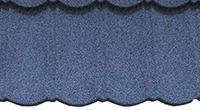
Bond
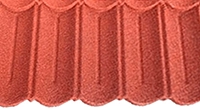
Heavy Dirty Bond

Classic
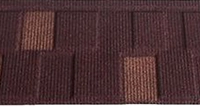
Shingle
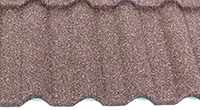
Milano
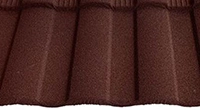
Roman
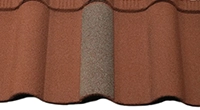
Groove
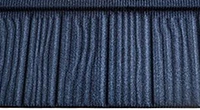
Makuti Grained

Slate
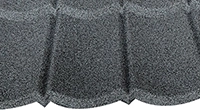
Lengthened
Roof Accessories
Roof Grade
Steel Coils

Corrugated Roofing Sheets
Corrugated Steel Sheet
Lightweight Structure Reduces Roof Load
Stone coated metal roof tiles are significantly lighter than traditional clay or concrete tiles, helping reduce stress on the roof structure. This makes them easier to handle during installation and more suitable for projects where structural reinforcement should be avoided.
Color-coated stone chip tiles achieve the highest rating for impact resistance – Class 4 according to UL 2218 standard – signifying exceptional resilience against hail and falling debris. This performance stems from the synergistic combination of the rigid high-density steel core and the thick, dense layer of natural stone granules bonded with premium acrylic resin. The steel core provides a strong, unyielding base that resists deformation. The stone granule layer acts as the primary impact-absorbing shield. The hardness of the basalt or granite (typically 6-7 on the Mohs scale) is significantly greater than that of hailstones (ice, Mohs ~1.5) or common wind-blown debris. When impacted, the angular granules distribute the force across a wider area and fracture the hailstones, dissipating energy. The resilient acrylic resin matrix allows slight flexing, further absorbing shock without cracking or losing adhesion to the granules or substrate.
Achieving Class 4 certification involves rigorous testing: steel balls of increasing diameter (1.75 inches or 44.45mm for Class 4) are dropped from a height of 20 feet onto the tile sample multiple times. A Class 4 rating means the tile showed no evidence of cracking, splitting, fracturing, rupture, tearing, or formation of a hole large enough to permit the passage of water through the tile. This level of protection is crucial for homeowners in hail-prone regions, significantly reducing the likelihood of roof damage requiring costly repairs or replacement after a storm. It also provides superior resistance to damage from falling branches, tools dropped during maintenance, or foot traffic compared to more brittle materials like clay/concrete tiles (which can shatter), standard asphalt shingles (which tear or puncture easily), or lightweight metals susceptible to denting. The robust impact resistance directly translates to lower long-term maintenance costs, enhanced durability, and greater peace of mind.

Stone coated metal roof tiles are much lighter than clay, concrete or cement tiles. This helps reduce the load on roof trusses and makes transportation and installation more efficient.
No. The lightweight design comes from the steel core and stone granule coating, not from weaker materials. The tiles still provide good strength, wind resistance and long-term durability for residential and commercial buildings.
In many cases, the lower weight makes it easier to retrofit over existing roof structures. However, whether reinforcement is needed should be confirmed by a structural engineer or local installer based on the building condition.
Yes. Because the tiles are lighter than heavy clay or concrete roofing, they can be easier to load, transport and handle on site. This may help improve logistics efficiency, especially for large projects.
It is suitable for most residential, commercial and public buildings, especially where reducing structural load is important. For special structures or extreme weather areas, the design should follow local engineering and installation requirements.