Español
 العربية
 Francés
 Русский
 Português
 Deutsch
 日本語
 한국어
 Việt
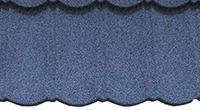
Bond
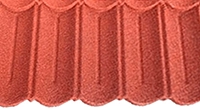
Heavy Dirty Bond

Classic
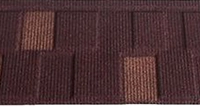
Shingle
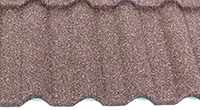
Milano
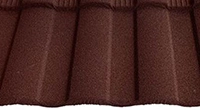
Roman
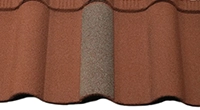
Groove
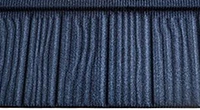
Makuti Grained

Slate
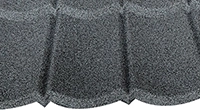
Lengthened
Roof Accessories
Roof Grade
Steel Coils

Corrugated Roofing Sheets
Corrugated Steel Sheet
Neutral Modern Field
The flat even panel surface creates an unornamented roof field, giving contemporary and commercial buildings a streamlined exterior without traditional wave or shake patterns.
The Bond profile uses smooth, near-level panel surfaces with subtle linear relief, avoiding deep arches or wood-grain texture. This flat panel metal roofing produces a calm ordered roofline that complements modern homes, minimalist residences and low-rise commercial architecture.
Each Bond coated stone tile is formed from aluminum-zinc alloy steel, covered with cured acrylic adhesive and natural stone granules, with a backside seal coat. The sintered granule color remains in the mineral, supporting an even look under regular sun exposure.
These modern stone coated panels suit villas with clean lines, retail units, apartments and service buildings where a neutral roof field pairs with brick, timber or concrete exteriors. The consistent panel width scales neatly across larger roof areas.
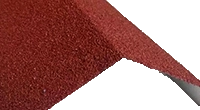
FUODE supplies commercial metal roof sheet panels together with coordinated ridge, eave and gable trims. Panel dimensions, coverage and gauge options are provided in the spec sheet, with samples available for quality evaluation.


A1: Bond panels measure about 1340 mm × 420 mm overall, with effective exposure near 1290 mm × 370 mm and coverage around 0.47 m².
A2: Bond keeps a smoother flat surface with restrained relief, while Groove uses deeper parallel channels and more pronounced shadow lines for an industrial look.
A3: Modern homes, apartments, retail and low-rise commercial blocks are typical; Roman or Shingle profiles are alternatives for traditional or rustic designs.
A4: Common gauges range from 0.18 mm to 0.60 mm; the choice is guided by local wind load and roof span.
A5: The mineral surface scatters sunlight, and proper underlayment and ventilation should follow local roofing practice for warm-region installation.